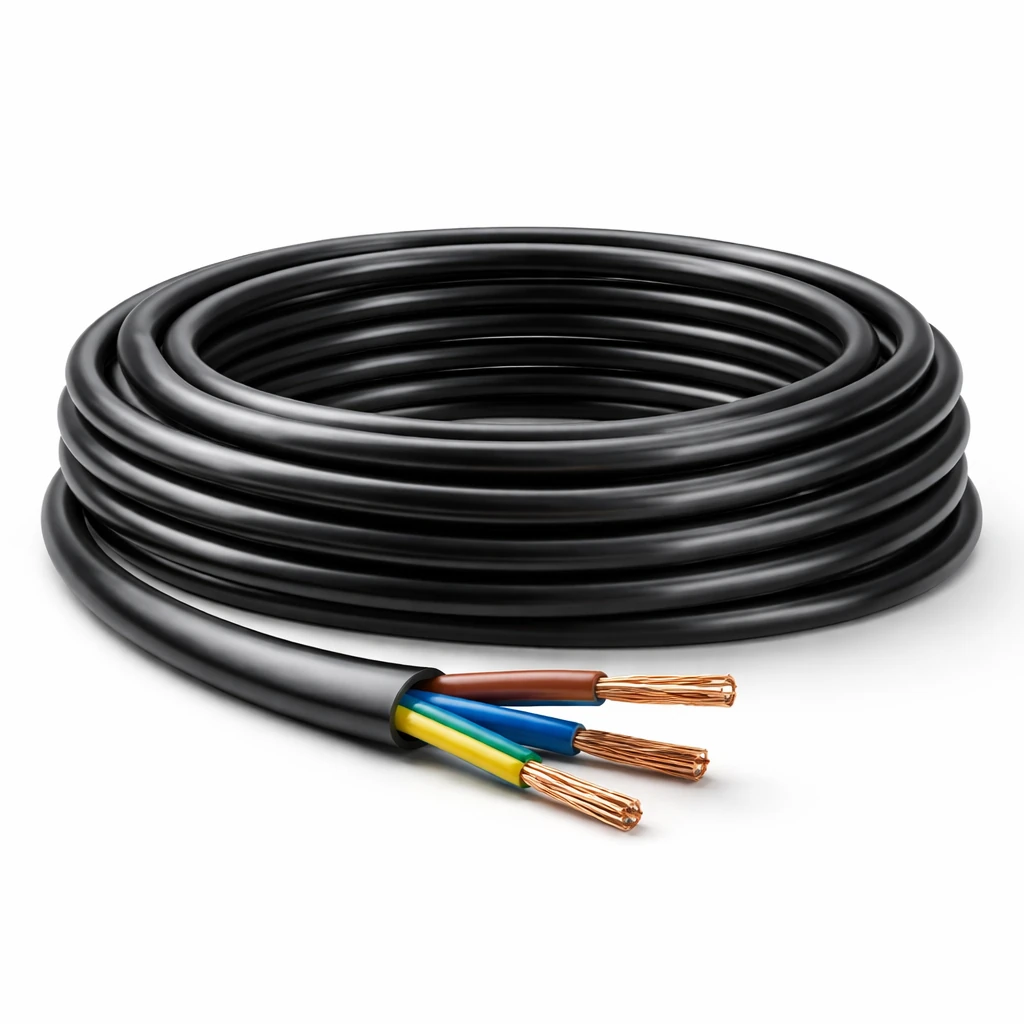

Wire and Cable
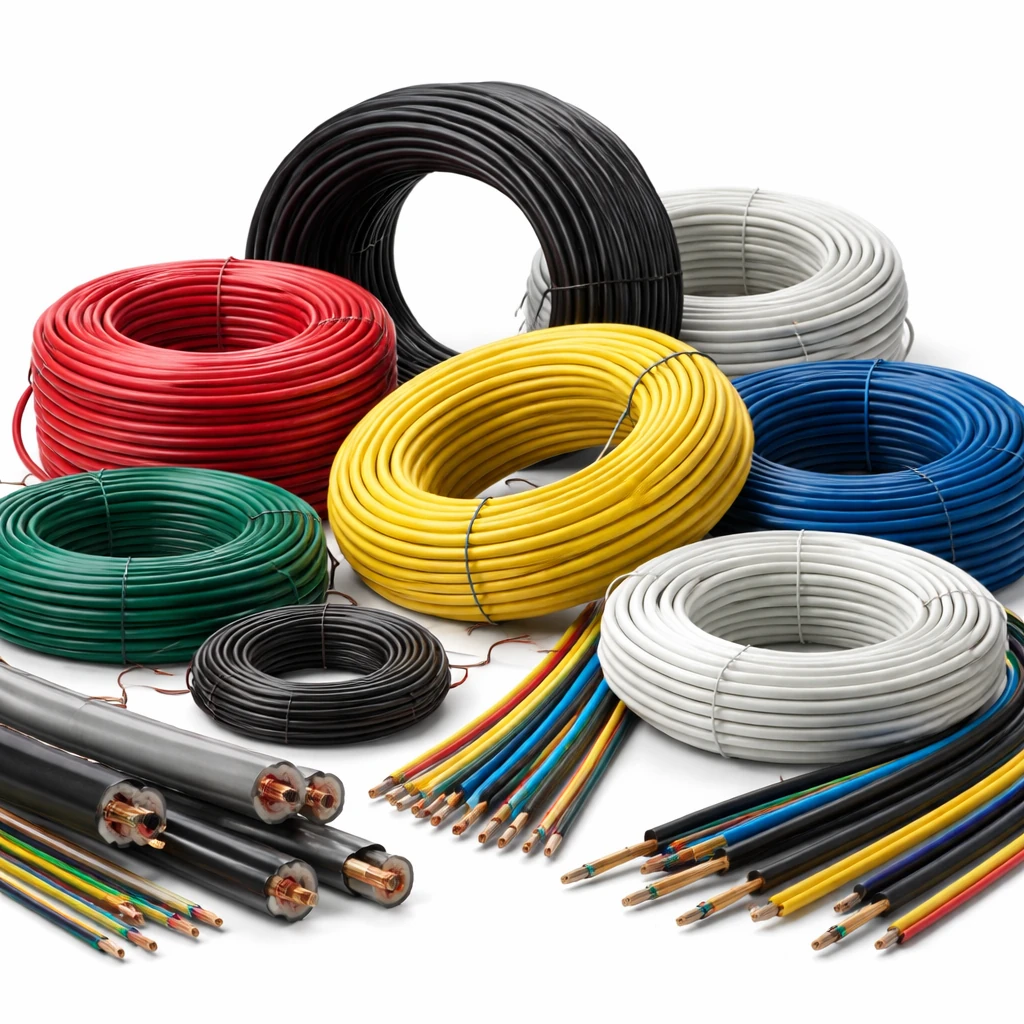
The Vital Role of Wire and Cable in Modern Infrastructure and Industry
Introduction
In the intricate web of the modern world, it is often the unseen components that keep society functioning. While sleek gadgets, towering skyscrapers, and advanced machinery capture the imagination, the humble nervous system operating behind the scenes is composed of wire and cable. These fundamental conduits serve as the essential pipelines for energy and information, bridging distances and connecting systems with remarkable efficiency. From the massive transmission lines distributing power across continents to the delicate fiber optics enabling global internet communication, the significance of conductors and insulated cords cannot be overstated. Understanding the complexities, manufacturing standards, and applications of these products is crucial for anyone involved in construction, engineering, or technology sectors today.
Fundamentals of Electrical Conductors
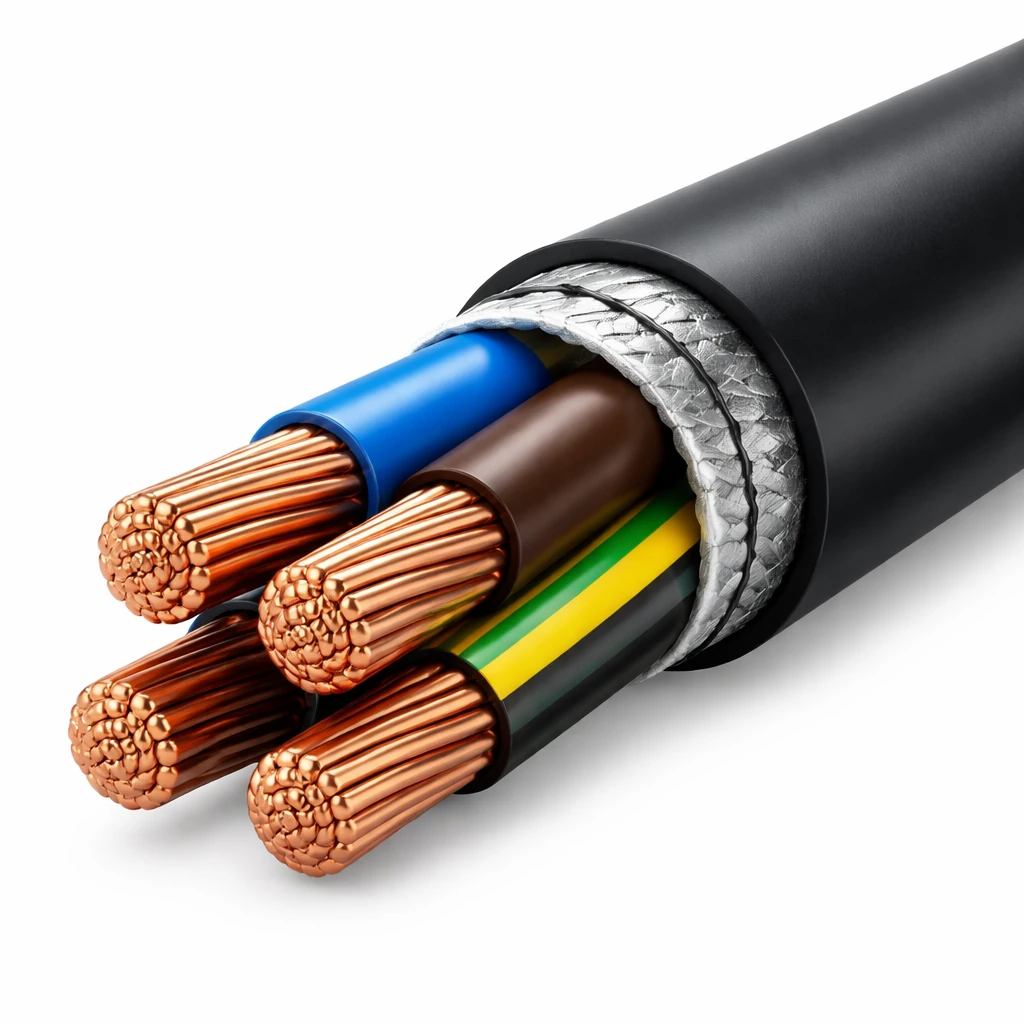
At its core, an electrical conductor is designed to transport electricity from a source to a destination with minimal loss of energy. The most common material used for this purpose is copper, chosen for its excellent conductivity and flexibility. However, aluminum is also widely utilized, particularly in overhead power lines, due to its lightweight nature and cost-effectiveness. The choice of metal depends heavily on the specific application, environmental conditions, and budgetary constraints.
Surrounding the conductive core is insulation, a critical layer that prevents current leakage and protects users from electric shocks. Insulation materials vary greatly, ranging from polyvinyl chloride (PVC) and thermoplastic elastomers to more advanced cross-linked polyethylene (XLPE). These materials are selected based on their resistance to heat, moisture, chemicals, and abrasion. For instance, a cord designed for heavy industrial use requires much more robust shielding than a simple wire used in household electronics. The combination of conductor and insulation defines the performance capabilities of the final product.
Categories and Classifications
The industry separates these products into two broad categories: electrical and communication. Electrical lines are primarily used to transmit power. They can be found in residential wiring, industrial automation, and utility grids. On the other hand, communication cables are engineered to carry data signals. This category includes coaxial cables for television, twisted pairs for telephone networks, and fiber optics for high-speed internet.
The distinction is vital because the requirements for data transmission differ significantly from those for power distribution. While power lines need to handle high voltages and currents without overheating, data lines must maintain signal integrity over long distances, resisting interference from electromagnetic fields. Innovations in this sector have led to the development of shielded variants that wrap the internal wires in a conductive layer to block outside noise, ensuring clear and reliable communication.
Industrial Applications and Innovation
In the industrial sector, the demand for specialized cabling is ever-growing. Manufacturing plants, oil refineries, and transportation networks require durable solutions that can withstand harsh environments. Extreme temperatures, exposure to oils, and constant movement necessitate the use of high-performance flexible cords. Robotic arms, for example, rely on continuous flexing cables that endure millions of cycles without failing.
Furthermore, the renewable energy sector has created new challenges and opportunities for manufacturers. Solar farms and wind turbines require specific types of wiring that can endure UV radiation, temperature fluctuations, and corrosive atmospheres. As the world shifts towards greener energy, the infrastructure connecting these power sources to the grid must evolve, prompting advancements in material science and cable design.
Safety Standards and Installation
Safety is paramount when dealing with electricity. Consequently, the manufacturing and installation of wires and cables are governed by strict international standards. Organizations such as the International Electrotechnical Commission (IEC) and Underwriters Laboratories (UL) set rigorous benchmarks for performance, fire resistance, and environmental impact.
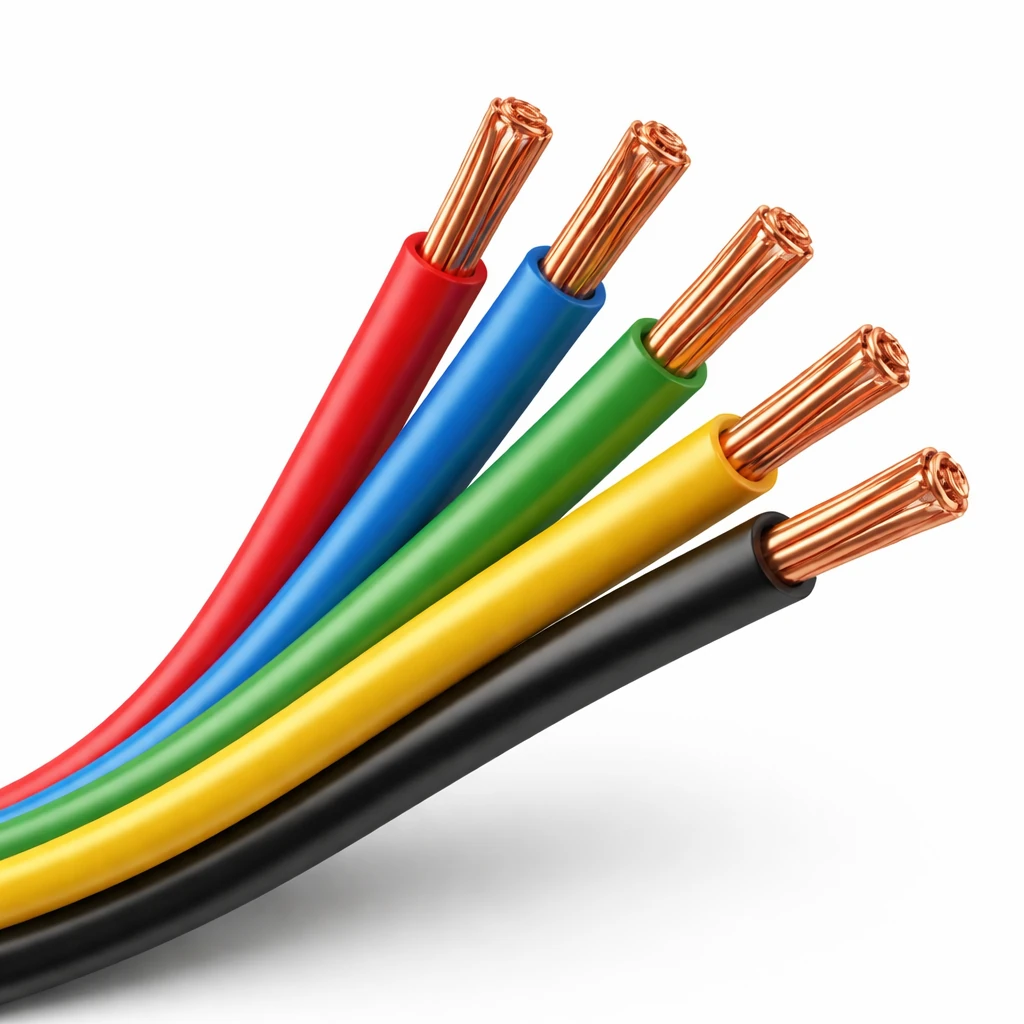
Proper installation is just as important as the quality of the product. Overloading a circuit, using incorrect gauge sizes, or poor connections can lead to overheating and pose significant fire hazards. Electricians and engineers must adhere to building codes to ensure that the electrical infrastructure is not only efficient but also safe for long-term use. Color-coding of insulation is a standard practice that helps installers identify live, neutral, and ground wires quickly, reducing the risk of errors during maintenance.
The Future of Connectivity
As we look toward the future, the role of cabling will only expand. With the advent of smart cities and the Internet of Things (IoT), the number of connected devices is skyrocketing. This proliferation requires an immense backbone of high-speed data transmission lines. Simultaneously, the electrification of transportation, particularly electric vehicles (EVs), is driving innovation in automotive charging infrastructure.
In conclusion
while often overlooked, wires and cables are the lifelines of modern civilization. They power our homes, fuel our industries, and connect us to the rest of the world. Continuous innovation in this field ensures that as our technological capabilities grow, the infrastructure supporting them remains robust, safe, and efficient. Whether for transmitting megawatts of electricity or gigabits of data, the importance of selecting the right cable for the job remains a cornerstone of engineering excellence